

Coffee Brewing Methods Compared: 7 Ways to Brew at Home

Quick answer: The most popular ways to brew coffee at home are a drip coffee maker, pour over, French press, AeroPress, espresso, moka pot and cold brew. Drip is the easiest for a full pot. Pour over makes the cleanest, brightest cup. French press makes the richest, fullest-bodied cup. AeroPress is the most versatile. Espresso is the base for lattes and cappuccinos. Cold brew is the smoothest for iced coffee. The right one depends on how you like your coffee and how much effort you want to put in.
We brew every one of these in our two Lakeville coffee shops or at home. Here's how they compare, with a starting recipe for each.
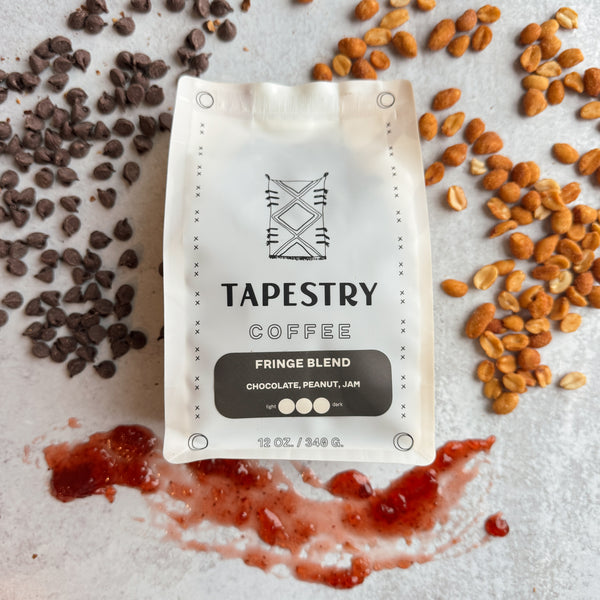
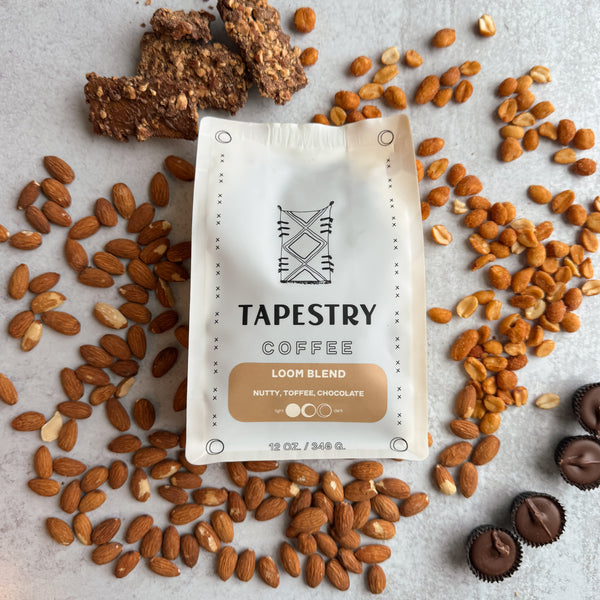
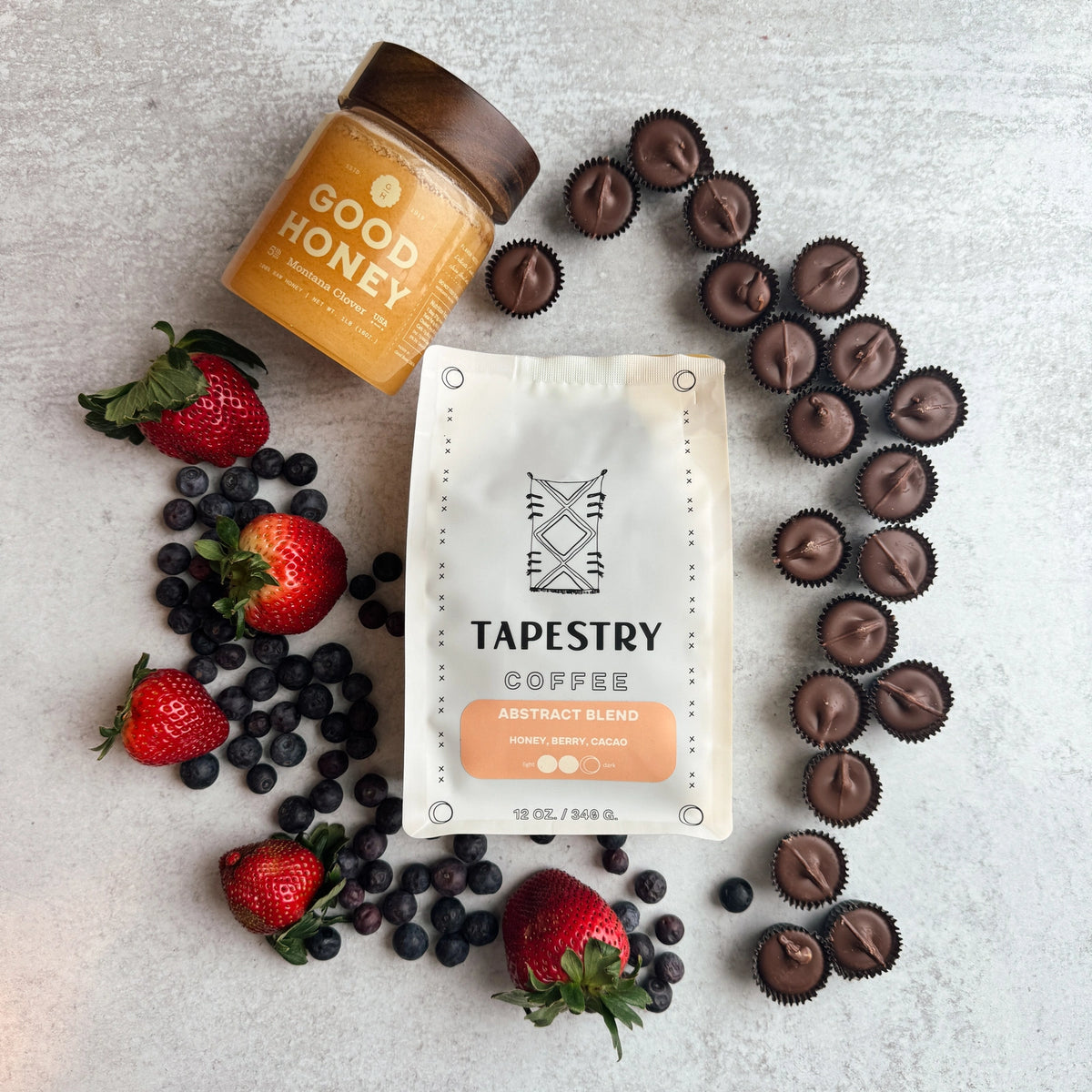
Our picks: Loom Blend (chocolate, toffee, nutty) is the drip coffee we pour every day and great in a French press. Abstract Blend (honey, berry, cacao) is our espresso and cold brew, and shines as a pour over. Fringe Blend, our dark roast, is bold in a French press or moka pot. Every bag is roasted fresh in small batches, with the roast date on the bottom.
In season now: Perennial Blend, our light roast with orange marmalade, candied almond and jasmine notes, is a standout pour over.
Coffee Brewing Methods Compared
| Method | How it tastes | Grind | Ratio | Time | Effort |
|---|---|---|---|---|---|
| Drip coffee maker | Balanced, familiar | Medium | 1:16 | 5–6 min | Easiest |
| Pour over | Clean, bright, clear | Medium-fine | 1:16 | About 3 min | Most hands-on |
| French press | Rich, full-bodied | Coarse | 1:15 | 4 min | Easy |
| AeroPress | Smooth, clean, versatile | Medium-fine | 1:15 | About 2 min | Easy |
| Espresso | Intense, syrupy, concentrated | Fine | 1:2 | 25–30 sec | Needs a machine and practice |
| Moka pot | Strong, bold, espresso-like | Fine-medium | Fill the basket | 4–5 min | Easy |
| Cold brew | Smooth, sweet, low acidity | Coarse | 1:8 | 12–18 hours | Easy but slow |
Get exact coffee and water amounts for any of these methods with our coffee to water ratio calculator.
The 3 Main Types of Coffee Brewing
Every brewing method works in one of three ways, and that's what makes them taste different:
- Steeping (immersion): the grounds sit in the water for the whole brew, then get separated. Think French press, cold brew and Turkish coffee. These make a fuller-bodied cup and are very forgiving.
- Pour-through (drip): water flows through a bed of coffee and out through a filter. Think drip coffee makers, pour over and the Chemex. Paper filters catch oils and fine particles, so the cup tastes clean and bright.
- Pressure: water is pushed through tightly packed coffee. Think espresso and the moka pot. This makes small, concentrated, intense coffee.
The AeroPress is a hybrid: it steeps like a French press, then uses pressure to push the coffee through a paper filter.
1. Drip Coffee Maker
A drip coffee maker heats water and showers it over coffee in a filter basket. It's the easiest way to make a full pot, and a good one makes a genuinely great cup. Loom Blend is the drip coffee we pour every day in our coffee shops.
Starting recipe: 1:16 ratio, medium grind, about 2 tablespoons (10 grams) of coffee for every 6 oz of water. Use filtered water and fresh coffee, and clean the machine regularly. For more tips, see how to make better coffee at home.
2. Pour Over
Pour over means pouring hot water by hand over coffee in a paper filter, using a brewer like a Hario V60, Chemex or Kalita Wave. You control every variable, which makes the cleanest, brightest cup and brings out a coffee's fruit and floral notes. It takes a little practice.
Starting recipe: 25 grams of medium-fine coffee, 400 grams of water at 200°F (1:16), a 30-second bloom, about 3 minutes total. Read our complete pour over guide and how the different pour over brewers compare.
3. French Press
A French press steeps coarse coffee in hot water, then a metal mesh plunger separates the grounds. The metal filter lets the coffee's oils through, so the cup is rich and full-bodied. It's one of the easiest and most forgiving ways to make great coffee.
Starting recipe: 23 grams of coarse coffee, 12 oz (350 g) of water at about 200°F (1:15), steep 4 minutes, press slowly and pour right away. See our French press guide, or compare pour over vs. French press.
4. AeroPress
The AeroPress steeps coffee like a French press, then uses gentle air pressure to push it through a paper filter. The result is smooth and clean with a fuller body than pour over. It's fast, hard to break and perfect for travel, and you can make anything from a regular cup to a strong, espresso-style concentrate.
Starting recipe: 15 grams of medium-fine coffee, 225 grams of water at about 200°F (1:15), stir, steep 1 to 2 minutes, then press for 20 to 30 seconds. See our AeroPress guide.
5. Espresso
Espresso forces hot water through finely ground, tightly packed coffee at high pressure, making a small, intense, syrupy shot. It's the base for lattes, cappuccinos and Americanos. It takes an espresso machine and some practice to dial in. Abstract Blend is the espresso we pull every day in our coffee shops. Not sure how it differs from regular coffee? See coffee vs. espresso.

Starting recipe: 18 grams of finely ground coffee in, about 36 grams of espresso out (1:2), in 25 to 30 seconds at around 200°F. Grind finer if it's sour, coarser if it's bitter. See our guide to making espresso at home.
6. Moka Pot
A moka pot brews on the stovetop. Water in the bottom chamber heats up, and steam pressure pushes it up through the coffee into the top chamber. It makes a strong, bold, espresso-like coffee without an espresso machine, and it's great with milk. Try it as the base for our holiday coffee drinks.
Starting recipe: fill the bottom chamber with hot water up to the valve, fill the basket level with fine-medium coffee without tamping, and brew over medium heat. Pull it off the heat as soon as it starts to sputter, about 4 to 5 minutes.
7. Cold Brew
Cold brew steeps coarse coffee in cold water for many hours. With no heat, it extracts fewer of the compounds that taste sharp or bitter, so it's smooth, sweet and low in acidity. It's the best way to make iced coffee at home, and a batch keeps in the fridge for up to 10 days. We use Abstract Blend for cold brew. Wondering how it compares? See cold brew vs. iced coffee.
Starting recipe: 1 part coarse coffee to 8 parts cold water (about 120 grams of coffee to 32 oz of water), steep 12 to 18 hours, then strain. See our cold brew guide.
Other Ways to Brew Coffee
These are less common at home, but you'll see them in coffee shops and kitchens around the world:
- Siphon (vacuum pot): vapor pressure pushes hot water into an upper chamber to steep with the coffee, then the brewed coffee drains back down through a filter as it cools. It makes a clean, tea-like cup and is fun to watch.
- Turkish coffee: extra-fine coffee is simmered with water, and often sugar, in a small pot called a cezve, then served unfiltered. It's thick and strong, and the grounds settle at the bottom of the cup.
- Percolator: boiling water cycles up through the grounds again and again. It's strong and hot, but easy to over-extract into a bitter cup.
- Clever Dripper: a cone that steeps the coffee like a French press, then drains through a paper filter when you set it on your mug. It's an easy, forgiving middle ground between French press and pour over.
- Vietnamese phin: a small metal filter that sits on top of the cup and drips slowly. It's traditionally used for strong coffee with sweetened condensed milk.
- Single-serve pods: the most convenient option, but pods hold pre-ground coffee that's often been sitting for months. A refillable pod with freshly ground coffee makes a noticeably better cup.
Which Coffee Brewing Method Is Best?
- Easiest for a full pot: drip coffee maker
- Brightest, most nuanced cup: pour over
- Richest, boldest cup with little effort: French press
- Most versatile and best for travel: AeroPress
- Lattes and cappuccinos: espresso or a moka pot
- Iced coffee: cold brew
Whatever method you use, fresh coffee and the right grind matter more than the gear. Use our brew guide for ratios and troubleshooting, or take our coffee quiz to find the coffee that fits how you brew.
Quick Answers
What is the best way to brew coffee at home?
There's no single best method. For most people, a French press or a good drip machine makes great coffee with the least effort. If you drink your coffee black and want the most flavor, try pour over.
Which brewing method makes the strongest coffee?
Espresso is the most concentrated, followed by a moka pot. For a regular-size cup, French press tastes strongest because of its full body. Caffeine depends mostly on how much coffee you use. See how much caffeine is in coffee.
Which brewing method has the least acidity?
Cold brew. Steeping without heat makes a noticeably smoother, less acidic cup.
What are the different types of coffee brewing methods?
There are three main types: steeping (French press, cold brew), pour-through (drip, pour over, Chemex) and pressure (espresso, moka pot). Steeping makes a fuller body, pour-through makes a cleaner cup and pressure makes concentrated, intense coffee.
What are manual coffee brewing methods?
Manual methods are ones where you control the brewing yourself instead of a machine, like pour over, French press, AeroPress, moka pot and cold brew.