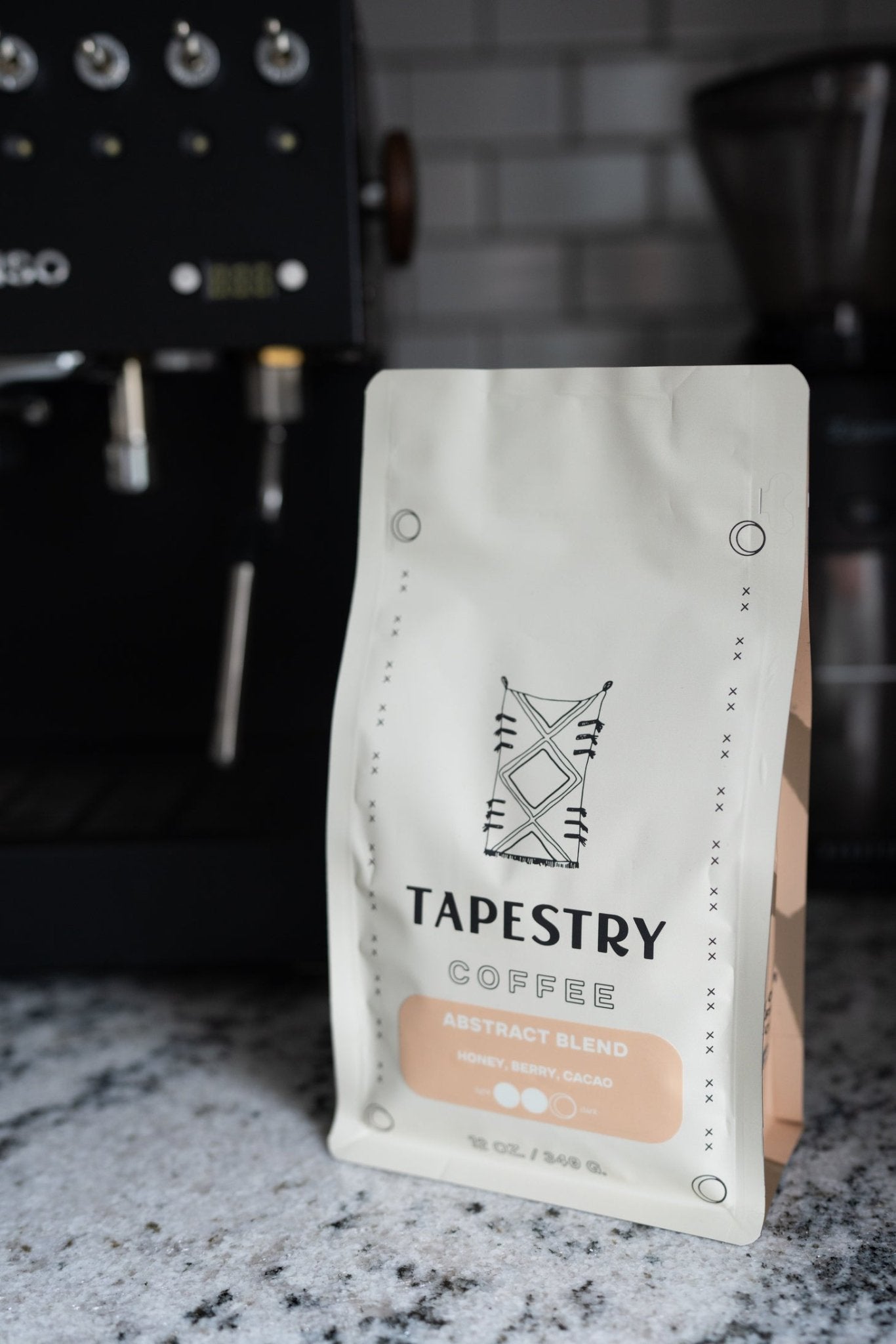
Natural PNG
Sourced through Cafe Imports.
This coffee comes to us from the Kindeng Dry Mill, located in the Jikawa province of Papua New Guinea. It is a blend of coffee purchased in cherry from about 1500 multiple smallholders located in the Kindeng and Arufa municipalities. The average farm size of producers in this area is about 1-2 hectares, and the soil is generally sandy loam and loamy clay. After cherries are received at the mill, they are processed accordingly and dried on raised beds and canvasses. They are moved multiple times a day throughout the average 1-month drying process to ensure an even and uniform average moisture content across the lot. Once the coffee is adequately dried, it is placed into bags, stored in a cool and dry warehouse, hulled, milled, and prepped for export.
La Paz, an area famous for coffee production in Honduras, is high in elevation with cool temperatures. These factors cause coffees to ripen slowly, developing sugars that are then processed in these comfortable climates. These coffees have high fruity sweetness with flavors of berries or peach. Cafe Import's greatest relationship in this area is a 270-producer cooperative, many of which are woman producers or Organic certified. Coffees from La Paz are extremely stable, and reliable as any offering type.
Mexico (Cristal)
Sourced through Cafe Imports.
Cristal represents an amalgam of coffees from across Mexico’s growing regions, including Veracruz, Oaxaca, and Chiapas. These coffees are mild in profile and affordable, which makes them versatile as blend components as well as straightforward options for a clean, easy-drinking single-origin offering.
Mexico (Women's Producers)
Sourced through Cafe Imports.
In 2005, a group of six women members of the CESMACH co-op, all of whom managed and worked their own farms, banded together in an effort to integrate more of the co-op’s women members into educational workshops about coffee cultivation, and to highlight the contributions these women were making to the management and labor on their family farms while their husbands, many of which had emigrated to the U.S.A., held the title of CESMACH “member” on paper. They realized that in order to create more equity among the group and to empower these women in farm-leadership roles, this practice had to change.
By 2006, the grassroots group had grown to 23 women who had begun to formalize their memberships with CESMACH, becoming more involved in the cooperative and selling their coffee as “Café Feminino,” a mark indicating that it was produced by women smallholders.
In 2011, Café Imports green buyer Piero Cristiani was sourcing coffees in Mexico through our producer partners at CESMACH and saw that there were a considerable number of women producers dropping off coffee for processing. On the heels of the success of our Women Producer program coffee with CODECH in Guatemala, Piero presented the program to CESMACH, proposing that coffee from individual women producers are kept separate. The creation of the women’s lot incorporates a price premium, which is paid for those coffees in an effort to support these women who, more often than not, are single parents providing for their families.
This program was initiated, and coffees contributed by the women producers of CESMACH was kept separate for the 2012 harvest. The CESMACH Women Producer offerings comprises hand-picked and sorted coffees grown on farms that average 4 hectares or less. There are 32 communities represented by these coffees, from the municipalities of Ángel Albino Corzo, La Concordia, Montecristo de Guerrero, and Siltepec.
The 2014 premium went toward the construction of vegetable gardens. Recently, Silvia Roblero, who helps manage the women producers at CESMACH, said she hopes to start investing the premium into women's health programs, as the production volume continues to grow. Because of the high prevalence of cervical cancer in the community, a health initiative became a focus among the group to prevent and combat the disease. The women behind Cafe Feminino wanted to take care of mothers, recognizing that they hold the families together. The women, in partnership with Grounds For Health, were ultimately able to provide examinations for over 500 women.
Today, the co-op boasts 224 women members: Some are widows, some are private landowners themselves, and some have partners and husbands that have emigrated for other work opportunities. As representation of the women in co-op, one women producer is on CESMACH’s board of directors. This is a massive step toward increased empowerment for women, especially in Mexico — a state with traditionally machista culture. The CESMACH Women Producers are not just looking to produce just any coffee grown by women, they also adhere to CESMACH’s quality standards and are pushing for that perfect cup.
The story to tell isn’t only one of women rising up together to improve their lives and the lives of others; it is also a story of passion and love. These women have been working with coffee for most of their lives. They understand its viability, the need for focused labor, and the importance of management in terms of both time and money.
CESMACH has nearly 500 active members and has been managed by Sixto Bonilla for the duration of our relationship so far. Sixto is very quality-focused and driven to empower his cooperative community with the tools and resources to produce better quality. We have collaborated with Sixto on several projects, and look forward to working closely with him in the future as well.
The farms of both CESMACH and the FTV are located in the buffer zone of El Triunfo Biosphere Reserve, which is in the highlands of the Sierra Madre. it is one of the most diverse forest reserve areas in the world and contains Mesoamerica's largest cloud forest, as well as a protected natural environment for thousands of plant and animal species. All of the coffee produced here is shade-grown.