Mexico
Cristal represents an amalgam of coffees from across Mexico’s growing regions, including Veracruz, Oaxaca, and Chiapas. These coffees are mild in profile and affordable, which makes them versatile as blend components as well as straightforward options for a clean, easy-drinking single-origin offering.
As throughout most of Mesoamerica, Mexico was first planted in coffee during early colonial times, most likely in the late 18th century. Due to the greater attention paid to the region's rich mineral deposits and mining opportunities, coffee didn't really develop as an industry until later, especially coming into its own in the late 19th and early 20th centuries with the redistribution of farms after independence and the emergence of smallholder farmers, specifically those of indigenous origin. In the late 20th century, the Mexican government established a national coffee institution called INMECAFE, which, like the FNC in Colombia and ICAFE in Costa Rica, was developed in order to offer technical assistance, botanical information and material, and financial credits to producers. Unfortunately, INMECAFE was something of a short-lived experiment, and dissolved in 1989, leaving growers with a vacuum in their access to support and resources—especially those in very remote rural areas. This disruption to the infrastructure as well as the coffee crisis that followed the end of the International Coffee Agreement plunged Mexico's coffee farmers into despairing financial times, which of course in turn affected quality dramatically. Throughout the 1990s and since the beginning of the 21st century, an increased presence, influence, and focus of Fair Trade and Fairtrade certifications and the emphasis on the democratically run small-farmer cooperative organization have worked to transform the image of Mexican coffee to one that reflects sustainability, affordability, and relatively easy logistics, considering its proximity to the United States.
In recent years, Mexico has struggled mightily with coffee-leaf rust and other pathogens that have reduced both yield and cup quality. This, combined with an enormous turnover of land ownership and loss of labor to emigration and relocation has created a somewhat tentative future for the producing country, though we have seen great cups and great promise from quality-inclined growers and associations there. The top cups are fantastic, and they're worth the work and long-term investment to try to overcome the obstacles facing the average farmer, who owns between 1–5 hectares, though some of the mid-size estates will run closer to 25 hectares.
One of the things that have set Mexico's coffee apart is the abundance of both Fair Trade- and organic-certified coffees, especially in areas like Oaxaca, Veracruz, and Chiapas. The strong influence of indigenous groups and cultures has long been the driving force behind smallholders' embrace of organic practices, as they are often in line with traditional growing philosophies and utilize similar if not the same techniques. Fair Trade has also done considerable work with regard to encouraging smallholders to organize and operate within cooperatives, which allows them to pool resources, provides better access to credit and financing options, and creates more market presence and leverage in a competitive global economy. In addition, many of the coffees that we at Cafe Imports source from Mexico come from the buffer zones around one of the largest and most forest reserves in the world: El Triunfo Biosphere Reserve.
Colombia
Nariño - Castillo, Caturra, Colombia
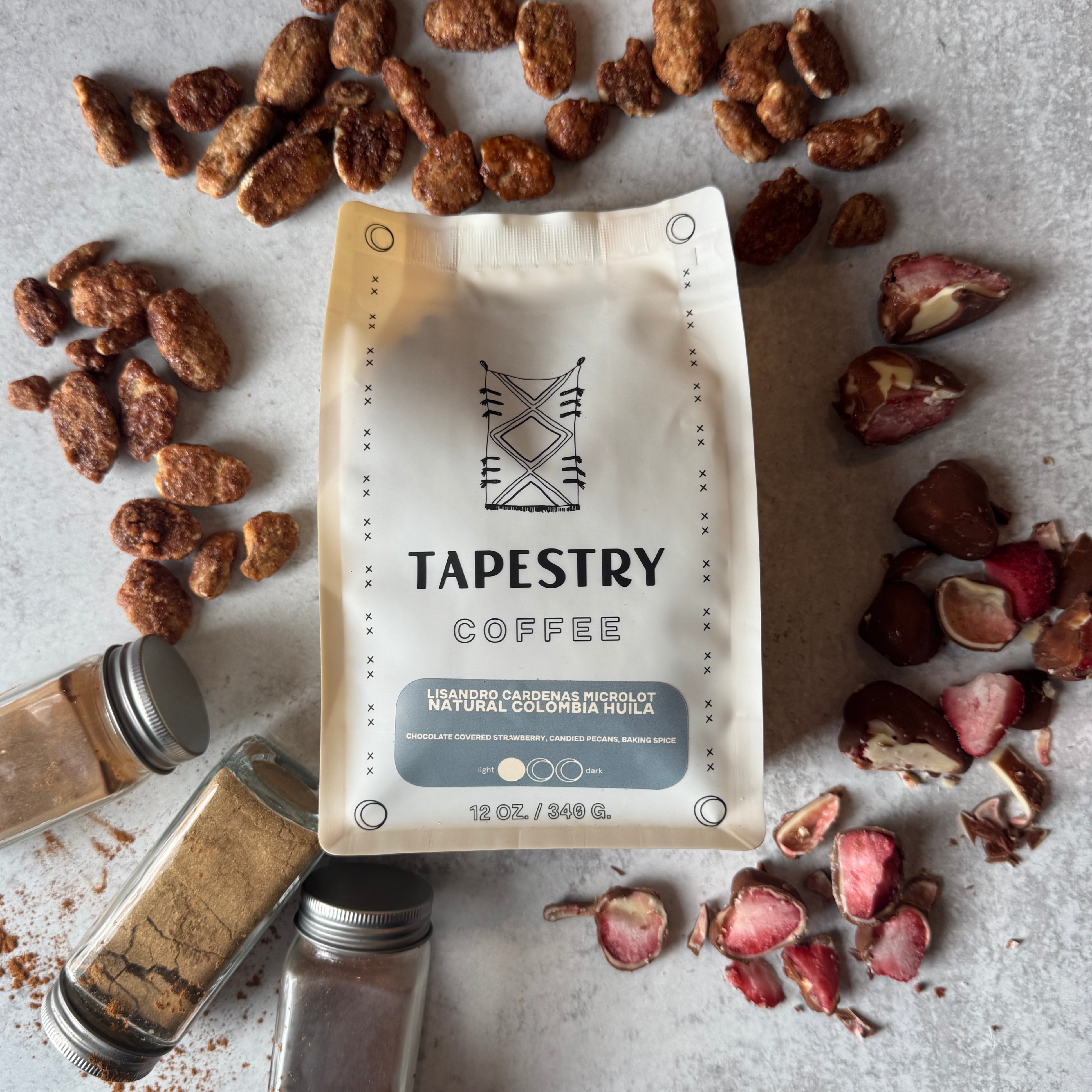
Colombian coffee is among the most recognizable and most dynamic in the world, with multiple growing regions whose distinct yet consistently crowd-pleasing profiles reflect the various microclimates that exist in this large country.
Gran Galope was born after the creation of “Regional Select”, which was our way of highlighting the distinct regional differences we saw coming out of Colombia. We heard from producers that they wanted to sell us more of their coffee, and Gran Galope as a program allows us to buy more and pay more along the larger quality spectrum for high quality coffees from these hardworking men and women in Colombia.
Gran Galope lots are Excelso grade coffees (15/16 screen size) that have been cupped and evaluated for their "workhorse" versatility. These lots are expected to have a balance of sweetness, fruity effervescence, and a foundation of cocoa and/or toffee. Most Excelso Gran Galope offerings are a blend of coffees from between 10–30 smallholder farmers and are traceable to the region. Gran Galope selections from Huila are cupped and purchased in Pitalito; selections from Cauca are cupped and purchased in Popayán; and Nariño Gran Galopes are cupped and purchased in both Pasto and La Unión.
Ethiopia
Washed Guji - Kayon Mountain Farm. Shakiso, Heirloom
Among coffee-producing countries, Ethiopia holds near-legendary status not only because it’s the “birthplace” of Arabica coffee, but also because it is simply unlike every other place in the coffee world. Unlike the vast majority of coffee-growing countries, the plant was not introduced as a cash crop through colonization. Instead, growing, processing, and drinking coffee is part of the everyday way of life, and has been for centuries since the trees were discovered growing wild in forests and eventually cultivated for household use and commercial sale.
The majority of Ethiopia’s farmers are smallholders and sustenance farmers, with less than 1 hectare of land apiece. In many cases, it is almost more accurate to describe these farms as “coffee gardens” as the trees do sometimes grow in more of a garden or forest environment than what we imagine fields of farmland to look like. There are some large privately owned estates, as well as co-operative societies comprising a mix of small and more mid-size farms, but the average producer here grows relatively very little for commercial sale.
Guji is a beautifully forested area in southern Ethiopia. Before the early 2000's, this region was considered part of Sidama, but has since become its own region. The people of Guji grow coffee gardens at very high altitudes in the rich red soil of the highlands, setting this coffee's profile apart from neighboring regions. These smallholders deliver their coffee to washing stations to be sorted and processed together, developing flavors of fruits, deep chocolate, and light florals.
Guji is a beautifully forested area in southern Ethiopia. Before the early 2000's, this region was considered part of Sidama, but has since become its own region. The people of Guji grow coffee gardens at very high altitudes in the rich red soil of the highlands, setting this coffee's profile apart from neighboring regions. These smallholders deliver their coffee to washing stations to be sorted and processed together, developing flavors of fruits, deep chocolate, and light florals.