


Pour Over vs. French Press – How to Choose the Best Brewing Method for You

Quick answer: Pour over makes a clean, bright, lighter-bodied cup that brings out a coffee's fruit and floral notes. French press makes a rich, full-bodied cup with more texture and deeper chocolate and nutty flavors. French press is easier and more forgiving. Pour over takes a bit more technique but gives you more control. Pick pour over if you drink your coffee black and love lighter roasts. Pick French press if you like a bold cup, add milk, or want the easiest great coffee at home.
We brew both every day in our two Lakeville coffee shops. Here's how they compare, side by side.
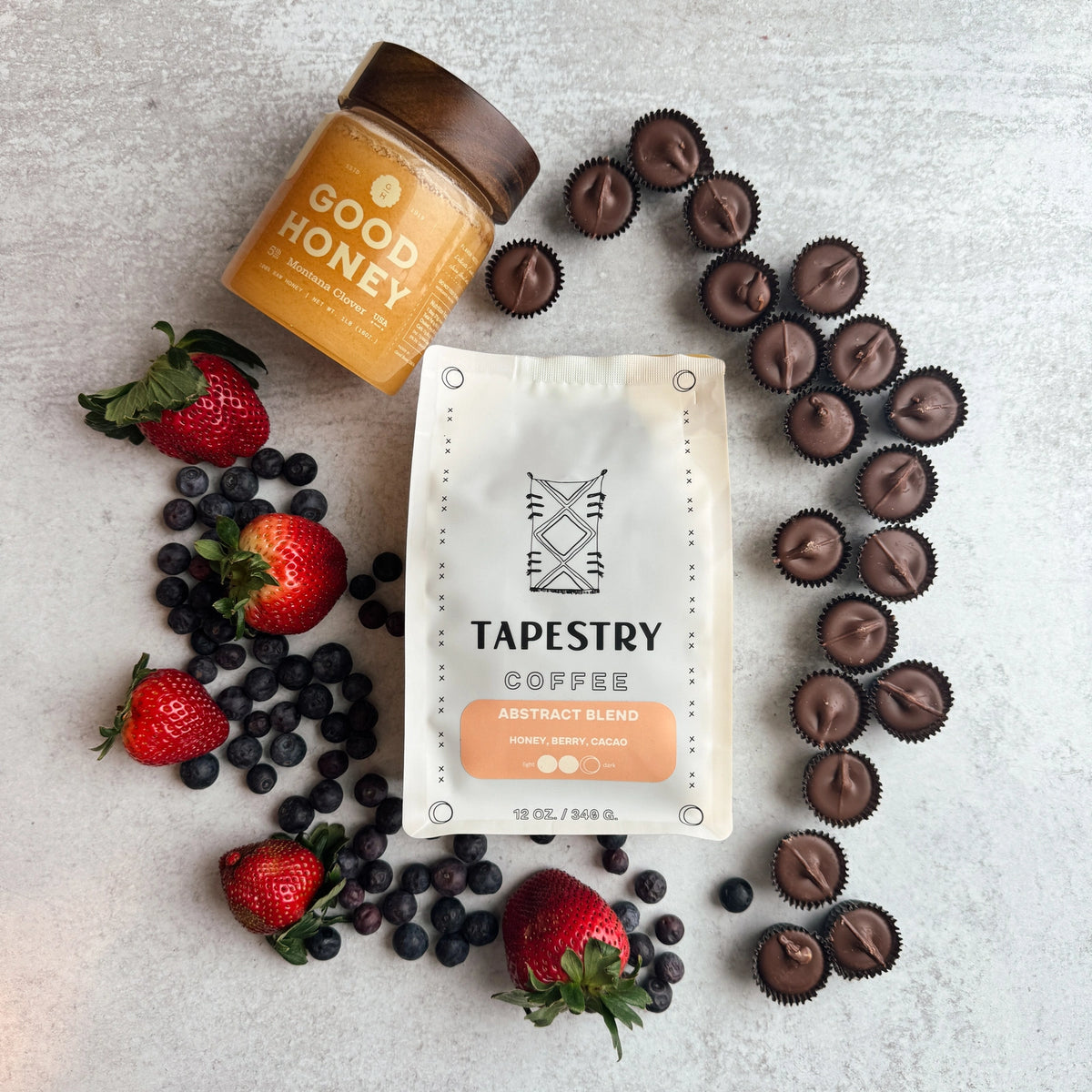
Our picks: for pour over, try Abstract Blend, with bright honey, berry and cacao notes. For French press, Loom Blend makes a rich cup with chocolate, toffee and nutty notes, and Fringe Blend, our dark roast, brings chocolate, peanut and jam. Every bag is roasted fresh in small batches, with the roast date on the bottom.
In season now: Perennial Blend, our light roast with orange marmalade, candied almond and jasmine notes, is the brightest pour over we make.
Pour Over vs. French Press at a Glance
| Pour over | French press | |
|---|---|---|
| How it works | Hot water drips through coffee in a paper filter | Coffee steeps in hot water, then a metal mesh presses it down |
| Body | Light and clean | Full and rich |
| Flavor | Bright, clear, highlights fruit and florals | Bold, round, highlights chocolate and nuts |
| Grind | Medium-fine | Coarse |
| Ratio | 1:16 (25 g coffee to 400 g water) | 1:15 (23 g coffee to 350 g water) |
| Brew time | About 3 minutes | 4-minute steep |
| Difficulty | Takes some practice | Very forgiving |
| Cleanup | Toss the filter | Rinse out the grounds |
| Best roasts | Light and medium | Medium and dark |
| Best for | Black coffee, tasting origin flavors | Coffee with milk, bold flavor, brewing for two |
Why They Taste So Different
The biggest difference is the filter. A pour over uses a paper filter, which traps the coffee's natural oils and tiny particles. That's why pour over tastes clean and bright, and why you can pick out delicate notes like citrus, berry or jasmine.
A French press uses a metal mesh filter, which lets those oils and fine particles into your cup. That's what gives French press its heavier body and richer texture. It's also why the last sip in a French press can be a little silty.
How the coffee meets the water matters too. In a pour over, fresh water keeps flowing through the coffee. In a French press, the coffee soaks in the same water the whole time, which makes it a full-immersion brew. That's also what makes French press so forgiving.
Pour Over Coffee
Pour over gives you the most control over your cup. You decide how fast to pour, how long to bloom and how fine to grind, and small changes show up in the flavor. That's what people love about it, and it's also why it takes a few tries to dial in.
Pour over is right for you if:
- You drink your coffee black
- You love light roasts and fruity, floral coffees
- You enjoy the ritual of brewing and want to fine-tune your cup
Starting recipe: 25 grams of medium-fine coffee, 400 grams of water at 200°F, a 30-second bloom, and about 3 minutes total. Our complete pour over guide walks through every step, and our guide to pour over brewers compares the V60, Chemex, Kalita and Origami.
French Press Coffee
The French press is one of the easiest ways to make great coffee at home. Add coarse coffee and hot water, wait 4 minutes, press and pour. There's no special pouring technique, and a little variation in timing won't ruin the cup.
French press is right for you if:
- You like a bold, full-bodied cup
- You add milk or cream (French press holds up better)
- You want great coffee with minimal fuss
- You're brewing for two or more
Starting recipe: 23 grams of coarse coffee and 12 oz (350 g) of water at about 200°F, steep for 4 minutes, then press slowly and pour right away so it doesn't keep brewing. See our French press guide for a full ratio chart.
Which Should You Choose?
If you're new to brewing at home, start with a French press. It's affordable, forgiving and makes a great cup from day one. If you already love black coffee and want to taste the differences between origins, a pour over is worth learning.
Many coffee lovers end up with both: a French press for slow weekend mornings and a pour over when they open a new bag of something bright. Whichever you choose, fresh coffee and the right grind make the biggest difference. Use our brew guide for ratios for every method, or take our coffee quiz to find your match.
Quick Answers
Is pour over or French press stronger?
French press usually tastes stronger because of its heavier body and the oils that pass through the metal filter. Caffeine is similar. It depends more on how much coffee you use than on the method.
Which is healthier, pour over or French press?
The paper filter in a pour over removes cafestol, a natural coffee oil that can raise cholesterol. If that's a concern, pour over or another paper-filtered method is the better choice.
Can I use the same coffee for both?
Yes. A medium roast like our Loom Blend works well both ways. Just change the grind: medium-fine for pour over, coarse for French press.
Which is easier to clean?
Pour over. You toss the filter and grounds together. A French press has to be emptied and rinsed, though it's quick once you get the hang of it.


