


Latte vs. Cappuccino: What’s the Difference?

A latte and a cappuccino are made with the same three things: espresso, steamed milk and milk foam. The difference is the balance. A latte has more steamed milk and just a thin layer of foam, so it's bigger, creamier and milder. A cappuccino is smaller, with less milk and a thick cap of airy foam, so it tastes stronger and more like coffee. Both usually have the same amount of espresso, so they have about the same caffeine.
Jump to: side-by-side comparison · what is a latte? · what is a cappuccino? · taste · caffeine and calories · flat white, cortado and more · making them at home · quick answers
Latte vs. Cappuccino at a Glance
| Latte | Cappuccino | |
|---|---|---|
| Espresso | 1 or 2 shots | 1 or 2 shots |
| Steamed milk | A lot | Less |
| Foam | Thin layer, about 1/2 inch | Thick, airy cap, about 1 inch or more |
| Typical size | 8 to 16 oz, often 12 oz | 5 to 8 oz traditionally, often bigger in the U.S. |
| Taste | Creamy, mild, milk-forward | Bolder and more coffee-forward |
| Texture | Smooth and silky all the way through | Light and foamy on top, rich underneath |
| Caffeine | Same as the espresso in it, about 63 mg per shot | Same as the espresso in it, about 63 mg per shot |
| Iced? | Yes, very common | Rarely. The foam doesn't hold up over ice |
| Best for | Flavored drinks, sipping slowly, people new to espresso | Tasting the coffee, a smaller morning drink |
What Is a Latte?
A latte (short for caffè latte, Italian for "milk coffee") is espresso topped with a lot of steamed milk and a thin layer of foam. When the milk is steamed for a latte, the barista only adds a little air, so it turns into silky, glossy microfoam that blends right into the espresso. That smooth texture is also what makes latte art possible.
Because it's mostly milk, a latte tastes mellow and creamy, with the espresso in the background. That makes it the go-to base for flavored drinks. Vanilla, caramel, mocha and seasonal syrups all go into lattes, like the recipes in our holiday coffee drinks guide. It's also easy to make iced: espresso, cold milk and ice, no steaming needed.
What Is a Cappuccino?
A cappuccino is espresso with less steamed milk and a much thicker layer of foam. To make it, the barista adds more air to the milk while steaming, so it grows in volume and becomes light and airy. A traditional cappuccino is about one-third foam, often described as equal parts espresso, steamed milk and foam. How much foam you get varies a lot from shop to shop. Some make it the classic way, and others, like us, make a smaller, wetter cappuccino with silky microfoam (more on that below).
With less milk to soften it, the espresso comes through more clearly. A cappuccino tastes richer and more like coffee than a latte, even though it has the same shots. You'll sometimes hear two styles:
- Dry cappuccino: more foam and less liquid milk. Lighter and stronger tasting, and closest to the traditional style.
- Wet cappuccino: less foam and more steamed milk. Creamier, closer to a small latte.
Which Tastes Better?
It depends on what you want from your cup.
- Choose a latte if you like a creamy, mild drink, want to add a flavor, or prefer something to sip for a while. It's also the easier drink if espresso on its own tastes too strong to you.
- Choose a cappuccino if you want to taste the coffee, like a lighter, foamy texture, or want a smaller drink.
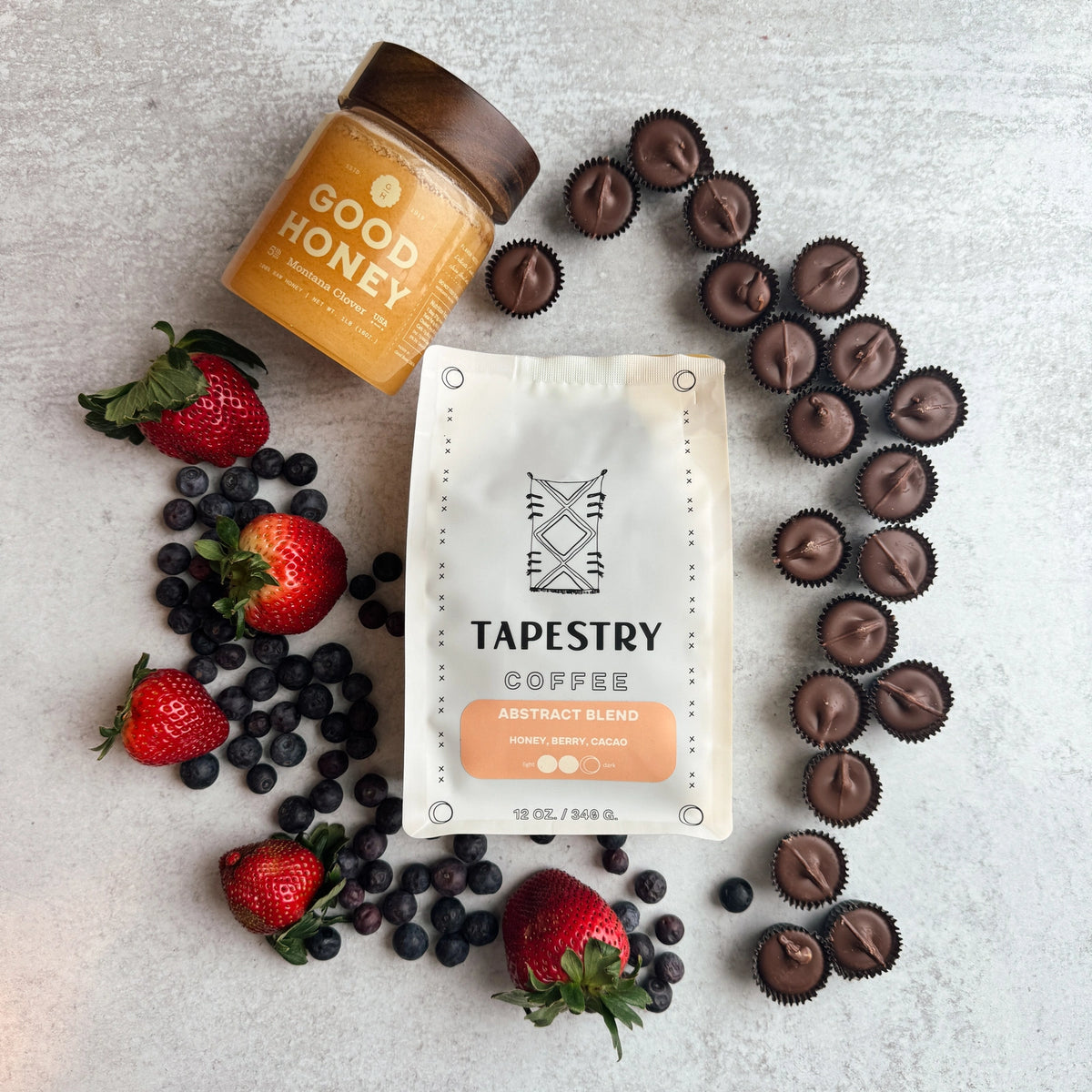
The espresso matters in both. A sweet, chocolatey espresso tastes great in milk, while a very bright, fruity one can taste a little sour next to it. Our espresso, Abstract Blend, has honey, berry and cacao notes that come through in a cappuccino and stay smooth in a latte. More on how coffee becomes espresso in coffee vs. espresso.
Caffeine and Calories
Caffeine: a latte and a cappuccino have the same caffeine if they have the same number of shots. A single shot of espresso has about 63 mg, and a double has about 126 mg. Milk doesn't add or remove caffeine, so a bigger latte only has more caffeine if it gets an extra shot. See how much caffeine is in coffee for other drinks, with a caffeine calculator.
Calories: nearly all the calories come from the milk, so a cappuccino usually has fewer. Whole milk has about 150 calories per cup. That works out to roughly 180 calories for a 12 oz whole milk latte and about 80 for a 6 oz cappuccino, before any syrup. Oat milk is usually a little lower, and almond milk much lower.
Flat White, Cortado, Macchiato and Mocha
Lattes and cappuccinos are part of a family of espresso and milk drinks. Here's how the rest compare:
| Drink | What's in it | Typical size |
|---|---|---|
| Macchiato | Espresso with a small spoonful of foam on top | 2 to 3 oz |
| Cortado | Espresso and about the same amount of steamed milk, very little foam | 4 to 5 oz |
| Flat white | Espresso with a thin layer of silky microfoam, less milk than a latte | 5 to 6 oz |
| Cappuccino | Espresso, steamed milk and a thick layer of foam | 5 to 8 oz |
| Latte | Espresso, lots of steamed milk and a thin layer of foam | 8 to 16 oz |
| Mocha | A latte with chocolate | 8 to 16 oz |
| Americano | Espresso and hot water, no milk | 8 to 12 oz |
Sizes and names vary from shop to shop, especially for macchiatos. A "caramel macchiato" at a big chain is really a flavored latte.
How to Make a Latte or Cappuccino at Home
With an espresso machine:
- Pull a shot. Use fresh coffee and a fine, even grind. Our guide to making espresso at home walks through it, and how to dial in espresso helps if your shots taste sour or bitter.
- Steam the milk. Start with cold milk. Put the steam wand just under the surface and let it add air for a few seconds, then sink it a little deeper to spin the milk until the pitcher is hot to the touch, about 140°F to 150°F. For a latte, add air for just 2 to 3 seconds. For a cappuccino, add air for longer so the milk grows by about a third or more.
- Pour. Tap and swirl the pitcher to smooth out big bubbles, then pour into the espresso. For a latte, pour steadily so the milk mixes in. For a cappuccino, spoon or pour more of the foam on top.
Using a Breville? See how to make great espresso on a Breville. Shopping for gear? Start with our home espresso guide and the best home espresso grinders.
Without an espresso machine: you can't make true espresso, but you can get close. Brew a small, strong coffee concentrate with a moka pot or an AeroPress, then froth hot milk with a handheld frother, or by pumping it in a French press for 15 to 20 seconds. Froth more for a cappuccino-style drink, less for a latte-style one.
Dairy-free? Barista-style oat milk steams the most like dairy and works well for both drinks. Almond milk tastes great but makes thinner, less stable foam, so it's better in a latte than a cappuccino.
Lattes and Cappuccinos at Tapestry
At our two Lakeville coffee shops, every espresso drink is pulled with Abstract Blend, which we roast ourselves in St. Paul. Our lattes come hot or iced, and our cappuccinos are served hot.
Every milk drink we make gets a little silky microfoam rather than a thick cap of traditional foam. So by default, our cappuccino is basically a smaller latte: less milk and more espresso-forward, with the same smooth texture. If you like the traditional style, just ask for it "dry" or "extra foamy" and we'll steam it with more air.
Add any of our house-made syrups, like vanilla, lavender, caramel, local honey or local maple, or try a seasonal latte. We also have oat milk and almond milk for any drink. See the full coffee shop menu.
Making them at home? Abstract Blend is the same espresso we use in our shops, roasted to order and shipped free with any subscription. If you like a darker, more chocolatey latte, try Fringe Blend.
Quick Answers
Which is stronger, a latte or a cappuccino?
A cappuccino tastes stronger because it has less milk, but both usually have the same amount of espresso and the same caffeine.
Does a latte or a cappuccino have more caffeine?
Neither, if they have the same number of shots. The caffeine comes from the espresso, about 63 mg per shot.
Which has more milk?
A latte. It has much more steamed milk and only a thin layer of foam. A cappuccino has less milk and more foam.
Which is sweeter?
Neither has sugar unless you add syrup, but a latte tastes sweeter and milder because the extra milk softens the espresso.
How much foam is in a cappuccino?
A traditional cappuccino is about one-third foam. Many specialty coffee shops, including ours, use less by default, so if you want the classic foamy style, order it "dry."
Can you get an iced cappuccino?
Some shops make one, but the foam doesn't hold up well over ice. For a cold drink, an iced latte is the better choice.
What's the difference between a latte and a flat white?
A flat white is smaller, with less milk and a thinner layer of very silky foam, so the espresso comes through more. A latte is bigger and milkier.
Is a cappuccino healthier than a latte?
It usually has fewer calories because it has less milk. A 6 oz cappuccino with whole milk has about 80 calories, compared with about 180 for a 12 oz latte.
What's the best coffee for lattes and cappuccinos?
A medium roast espresso that tastes sweet and chocolatey, so it stands up to milk. Darker roasts work well too if you like a bolder drink. Not sure which you'd like? Take our 60-second coffee quiz.


