


Ethiopian Coffee: Flavor, Regions & Why It’s the Birthplace of Coffee

Ethiopian coffee is coffee grown in Ethiopia, the birthplace of arabica coffee, and it's known for bright, fruity and floral flavors you won't find anywhere else. Washed Ethiopian coffees, like many from Yirgacheffe, often taste like lemon, bergamot and jasmine tea. Natural Ethiopian coffees, like many from Guji, Sidama and Harrar, taste like strawberry, blueberry and tropical fruit. Most of it is grown by smallholder farmers at high altitude from thousands of native heirloom varieties, which is a big part of why it tastes so distinctive.
Jump to: history · flavor · growing regions · washed vs natural · Yirgacheffe vs Gesha · how to brew it · quick answers
Why Ethiopia Is the Birthplace of Coffee
Arabica coffee grows wild in the forests of southwestern Ethiopia, and every arabica coffee in the world traces its roots back there. The most famous origin story is the legend of Kaldi, a goat herder who noticed his goats dancing with energy after eating red cherries from a wild shrub. It's a legend, not history, but coffee really has been part of Ethiopian life for centuries.
Coffee is still central to daily life. Ethiopians drink about half of the coffee the country grows, and a common saying, "buna dabo naw," means "coffee is our bread."
The Ethiopian coffee ceremony
Coffee in Ethiopia is often served in a ceremony that can take an hour or more. Green coffee is washed and roasted in a pan over a small fire, ground by hand, and brewed in a clay pot called a jebena. It's served in small cups, often with popcorn and incense, over three rounds: abol, tona and baraka. It's a time to slow down and talk with family, friends and neighbors.
What Does Ethiopian Coffee Taste Like?
Ethiopian coffees are some of the most fruity and floral coffees in the world. Common tasting notes include:
- Floral: jasmine, elderflower, honeysuckle, rose
- Citrus: lemon, bergamot, grapefruit, orange
- Berry and fruit: strawberry, blueberry, peach, tropical fruit
- Sweet: honey, candy, brown sugar
- Tea-like: a light, delicate body, especially in washed coffees
Ethiopian coffees usually have bright acidity and a lighter body than coffees from Central or South America. That's why roasters, including us, tend to roast them on the lighter side so those flavors come through. Learn more about reading flavors in our guide to coffee tasting notes.
Ethiopian Coffee Growing Regions
Ethiopia grows coffee in many regions, mostly between about 1,500 and 2,200 meters (roughly 4,900 to 7,200 feet) above sea level. That high altitude slows how fast the coffee cherries ripen, which builds more sugar and flavor. Here are the regions you'll see most often on specialty coffee bags:
| Region | Typical flavors | Known for |
|---|---|---|
| Yirgacheffe | Lemon, bergamot, jasmine, black tea | Delicate, floral washed coffees. The most famous name in Ethiopian coffee. |
| Guji | Strawberry, blueberry, peach, florals | Very sweet, fruity naturals and clean washed coffees from high-altitude farms |
| Sidama (Sidamo) | Berry, citrus, sweet spice | A large region with both washed and natural coffees, often very balanced |
| Harrar (Harar) | Blueberry, wine, chocolate, spice | Bold, earthy natural coffees from eastern Ethiopia |
| Limu | Wine, spice, citrus | Balanced washed coffees from the southwest |
| Jimma | Earthy, fruity, heavier body | Mostly natural coffees, one of the country's largest growing areas |
Most Ethiopian coffee comes from smallholder farmers who grow a few acres or less, often in "garden" plots near their homes or in forests. Cherries from hundreds of farmers are usually brought to a local washing station to be processed together. In recent years, more single farms and washing stations have been able to sell directly to buyers, which is why you'll see specific farm names, like Kayon Mountain Farm in Guji, more often.
Ethiopian Heirloom Coffee Varieties
Most coffee-growing countries grow a handful of well-known varieties. Ethiopia has thousands of native varieties, many of them never formally named. On a coffee bag, you'll usually see them listed as "Ethiopian heirloom" or "landrace." Some are selections developed by Ethiopia's coffee research center in Jimma and are labeled with numbers like 74110 or 74112.
The famous Gesha (or Geisha) variety also traces back to Ethiopia, to the Gori Gesha forest in the southwest, before it became famous in Panama. Read more in our post on coffee varieties like Gesha and Bourbon.
Washed vs. Natural Ethiopian Coffee
Ethiopia produces both of the main processing styles, and they taste very different:
- Washed Ethiopian coffee has the fruit removed before drying. It tastes clean, delicate and floral, like lemon, bergamot and tea. Washed Yirgacheffe is the classic example.
- Natural Ethiopian coffee is dried whole inside the cherry. It tastes jammy, sweet and fruity, like strawberry and blueberry, with more body. Natural Guji and Harrar are classic examples.
Natural processing is the traditional method in much of Ethiopia, since it needs very little water. Learn how each method works in our guide to coffee processing methods.
Yirgacheffe vs. Gesha: What's the Difference?
People often compare these two, but they're different kinds of names. Yirgacheffe is a place, a growing region in southern Ethiopia known for floral, citrusy washed coffees. Gesha is a variety, a specific type of coffee plant that originally came from Ethiopia but is now grown in Panama, Colombia and elsewhere. Gesha is famous for intense jasmine and tropical fruit flavors and very high prices. Both taste floral and bright, but a Yirgacheffe is usually a mix of local heirloom varieties, while a Gesha is a single variety that can be grown anywhere.
When Is Ethiopian Coffee Harvested?
The main harvest in Ethiopia usually runs from about October to January. After processing, drying, resting and shipping, new-crop Ethiopian coffees usually reach roasters in the U.S. in the late spring and summer. That's when they taste their freshest and brightest. See our guide to coffee seasonality for other origins.
How to Brew Ethiopian Coffee
- Pour over is the best way to taste it. A clean brewer like a V60, Kalita or Chemex shows off the florals and fruit. Start with a 1:16 ratio, 25 grams of coffee for 400 grams of water, with water between 195 and 205°F. Our pour over guide walks through every step.
- Naturals make great cold brew. The berry sweetness of a natural Ethiopian turns into a juicy, almost fruit-punch cold brew. Try our cold brew recipe, or brew it hot onto ice as flash brew to keep it bright.
- It can make a fruity espresso. Light roast Ethiopian espresso tastes bright and sweet. Expect to grind a little finer and pull a slightly longer shot. See how to make espresso at home.
- Taste it black first. Milk and sugar can cover up the delicate flavors, so try a cup black before deciding how you like it.
Our Ethiopian Coffees
We roast to order in small batches in St. Paul and print the roast date on the bottom of every bag. Ethiopian coffee shows up in several of our coffees:
- Ethiopia Natural Guji from Kayon Mountain Farm in Guji. A natural process, light roast single origin with notes of strawberry jam, elderflower and grapefruit. Our favorite as a pour over.
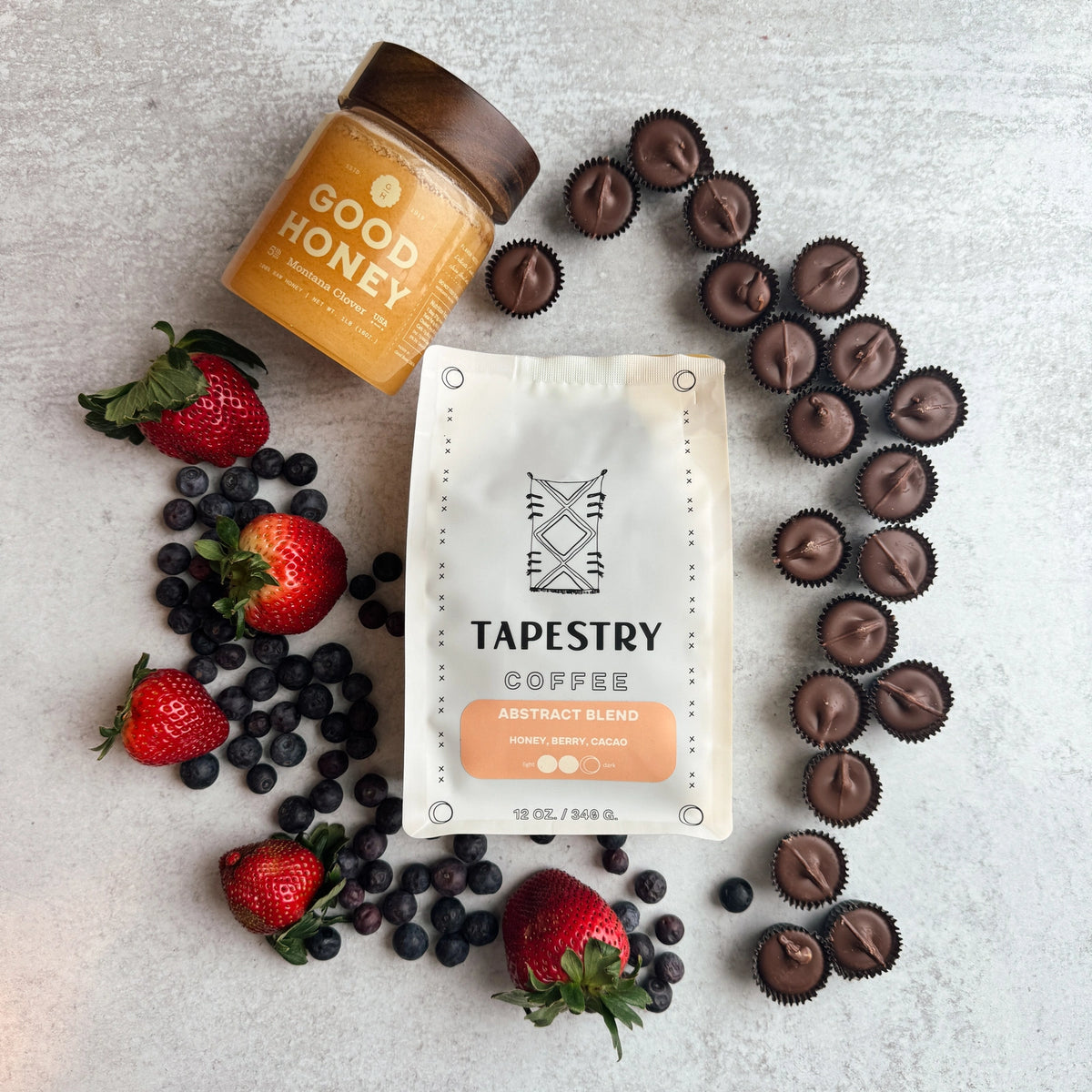
- Abstract Blend pairs Kayon Mountain Farm coffee from Guji with coffee from smallholder farms in Huila, Colombia. Notes of honey, berry and cacao. It's the espresso we pull every day at our Lakeville coffee shops.
- Loom Blend includes a washed Guji alongside coffees from Mexico and Colombia, adding a little brightness to a classic chocolate and toffee cup.
Not sure which fits you? Take our 60-second coffee quiz, or browse all of our single origin coffees.
Quick Answers
Why is Ethiopian coffee so good?
Ethiopia is where arabica coffee comes from, so it has thousands of native varieties found nowhere else. Combined with high altitude and careful processing, that creates unusually fruity, floral and complex coffees.
What does Ethiopian coffee taste like?
Washed Ethiopian coffee tastes floral and citrusy, like jasmine, lemon and bergamot. Natural Ethiopian coffee tastes jammy and fruity, like strawberry and blueberry.
Is Ethiopian coffee strong?
It's usually bright and flavorful rather than heavy or bitter. Most Ethiopian coffees are roasted light to medium, with a lighter body than coffees from Brazil or Sumatra. Caffeine is about the same as other arabica coffees.
Is Ethiopian coffee acidic?
It has bright, lively acidity that tastes like citrus or berries. If you prefer a low-acid cup, try a natural Ethiopian, which tastes sweeter and rounder than a washed one.
What is Yirgacheffe coffee?
Coffee from the Yirgacheffe area of southern Ethiopia, famous for floral, lemony, tea-like washed coffees. It's one of the most well-known coffee regions in the world.
What is Guji coffee?
Coffee from the Guji zone in southern Ethiopia. Guji is known for very sweet, fruity coffees, especially naturals that taste like strawberry and blueberry.
What does "Ethiopian heirloom" mean?
It means the coffee comes from a mix of native Ethiopian varieties, many of which have never been formally named or cataloged.
Is Ethiopian coffee good for espresso?
Yes, if you like a bright, fruity shot. Many coffee shops also blend Ethiopian coffee with a chocolatey Central or South American coffee for a sweeter, more balanced espresso, like our Abstract Blend.
Is Ethiopian coffee arabica?
Yes. Ethiopia is the original home of the arabica species, and nearly all of its coffee is arabica.


