

Tapestry Coffee Blogwholesale
Opening a Coffee Shop? How to Build Your Coffee Program From Day One

What we learned helping Beans & Boots in Farmington, Minnesota, prepare to open its doors.
Opening a coffee shop is exciting.
It's also full of decisions.
Before you serve your first latte, you need to choose an espresso machine, find grinders and brewing equipment, build a menu, select coffees, plan your workflow, and prepare your team to deliver a consistent experience.
And all of those decisions are connected.
The espresso machine you choose affects how your baristas work. Your menu influences what equipment you need. Your expected customer volume determines the capacity your setup should support.
Making the wrong choice early can create expensive challenges later.
At Tapestry Coffee, we believe a wholesale coffee relationship should begin long before the first coffee delivery.
Our partnership with Beans & Boots in Farmington, Minnesota, is an example of how we can help a new business work through these decisions from the beginning.
Starting With a Vision for the Business
When we first connected with the Beans & Boots team in early 2025, they were preparing to open their new coffee business.
They were working through many of the same questions that come with opening any new cafe.
What equipment should they invest in? How should they design their coffee offerings? Which coffees would work best for their menu? How could they build a setup that balanced quality with the practical needs of daily operations?
Instead of beginning with a price list, we started by talking through the kind of coffee program they wanted to create.
That's a conversation we believe every new coffee business should have before purchasing equipment.
There's no single espresso machine, grinder, or brewing setup that's right for everyone.
The best choices depend on the business you're building.
Step 1: Decide What Kind of Coffee Experience You Want to Offer
Before looking at equipment catalogs, think about what your customers will actually be ordering.
Will espresso-based drinks be your primary focus? Do you plan to serve a lot of brewed coffee? Will you offer decaf, cold brew, or specialty lattes? Are you planning to sell retail bags of coffee?
These questions help determine the requirements of your coffee program.
A bakery adding a few coffee drinks to complement its pastry menu may need something very different from a dedicated specialty coffee shop with a busy espresso bar.
For Beans & Boots, we discussed coffee options for espresso and brewed coffee, as well as additional offerings such as decaf and retail coffee bags.
Thinking through the menu helped establish a foundation for the equipment and supplier decisions that followed.
Step 2: Choose an Espresso Machine That Fits Your Operation
One of the biggest decisions when opening a coffee shop is selecting an espresso machine.
And one of the first conversations we had with Beans & Boots involved comparing different approaches to espresso service.
We explored both traditional espresso equipment and superautomatic options.
Traditional espresso machines offer a hands-on approach to preparing coffee. They can provide baristas with direct control over the brewing process, but they also require appropriate training and consistent workflows.
Superautomatic machines grind, dose and pull the shot at the push of a button. They're easier for newer staff, but you give up some hands-on control.
Neither approach is automatically the right answer.
The goal is to choose equipment that matches your business, your team, and the experience you want to provide.
For Beans & Boots, we worked through equipment options and helped connect their team with an equipment supplier.
They ultimately selected a Slayer Steam LP espresso machine for their coffee bar.
That's a big investment, and it's worth having people who've been there in your corner before you buy.
Step 3: Think Beyond the Espresso Machine
An espresso machine is only one piece of a functioning coffee bar.
You also need grinders, brewing equipment, water treatment, workspace planning, and a setup that makes sense for your staff.
This is where having experience operating coffee shops becomes especially valuable.
It's easy to focus on how equipment looks or what it costs. It's equally important to consider how it will function during a busy morning.
Where will employees move? How quickly can they prepare drinks? Is there enough capacity for your expected volume? Who can service the equipment when something goes wrong?
Equipment should support your operation, not create unnecessary complications.
We're roasters, but helping you think through this stuff is part of the job.
Step 4: Choose Coffee That Works for Your Menu
Once you've developed a clearer picture of your equipment and beverage offerings, it's time to find coffees that fit.
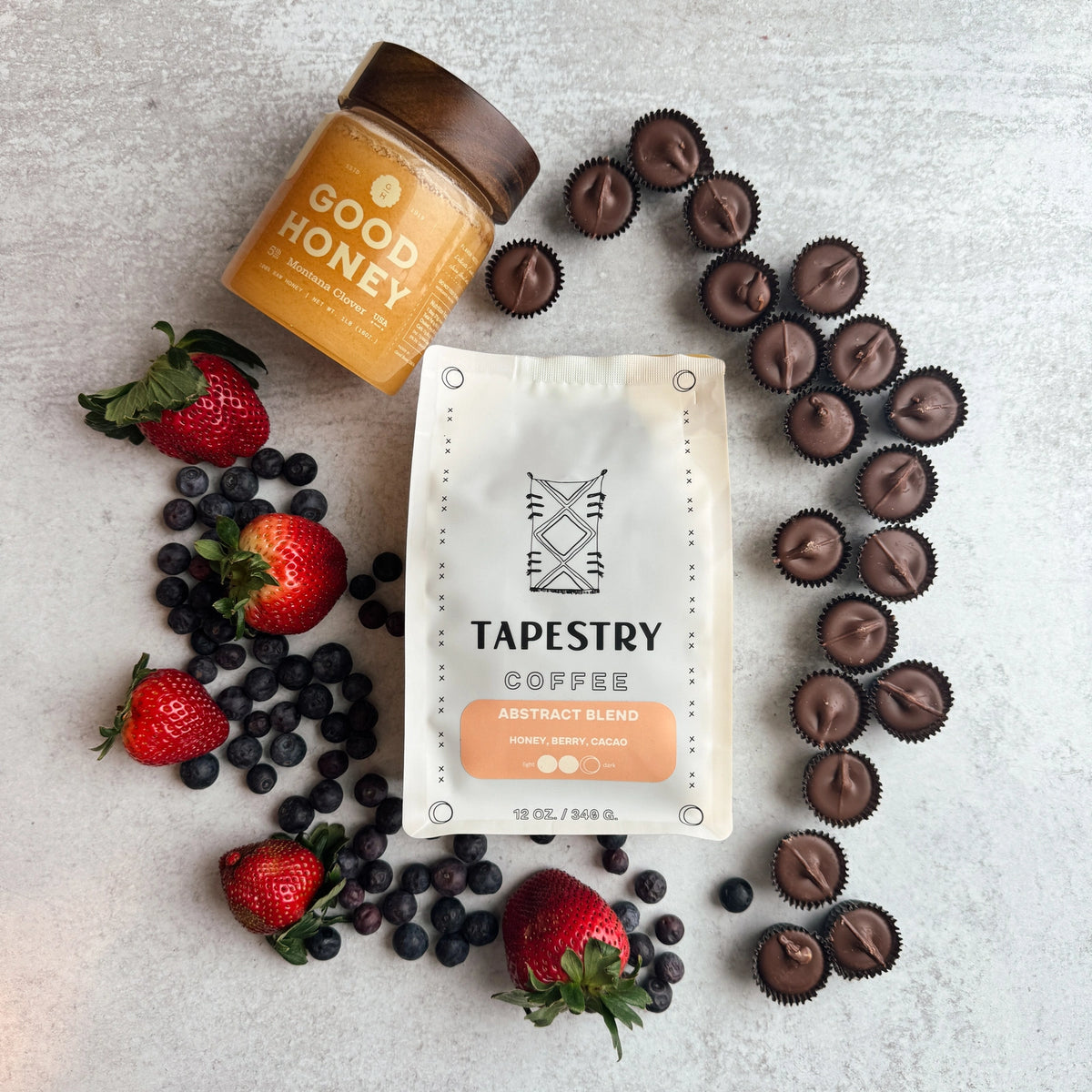
For Beans & Boots, we recommended Abstract for espresso, Loom for brewed coffee and a decaf, plus retail bags for their shelf.
The goal wasn't to overwhelm them with dozens of choices.
It was to build a practical selection that would offer consistency, quality, and enough variety for their customers.
We also discussed retail coffee offerings, giving customers the opportunity to take coffee home in addition to enjoying it at the cafe.
Step 5: Build a Relationship That Continues After Opening
Opening day is a milestone, but it's only the beginning.
Once a coffee shop is operating, purchasing patterns change. Employees learn the workflow. Owners get a clearer picture of which drinks and products customers prefer.
Your coffee supplier should be prepared to work with you through those changes.
That's one reason we don't see wholesale coffee as a simple transaction.
We've dealt with staffing, equipment, menu changes and everything else in our own cafés. We understand that running a coffee shop involves much more than producing a great shot of espresso.
Beans & Boots opened in June 2025, and today they go through about 40 lbs of our coffee a week. They also carry our retail bags and serve our chai concentrate.
One of our favorite parts of the partnership is a custom blend we created together that gives back to the Farmington Police Department. It's a great example of what a coffee program can be when it's built around your community, not just your equipment.
It all started with planning conversations before they opened, and we're still working together today. That's the kind of partnership we want with every shop.
Five Questions to Ask Before Buying Coffee Shop Equipment
If you're preparing to open a coffee shop or add espresso to an existing business, here are five questions worth answering early:
1. What drinks will make up the majority of our sales?
Your menu should help guide your equipment choices, not the other way around.
2. What level of training will our team need?
Think about how complex your drinks will be and the skills required to make them consistently.
3. Can our equipment handle our busiest hours?
Equipment capacity and workflow matter just as much as drink quality.
4. Who will help us install and service the equipment?
Reliable installation, maintenance, and service support should be part of the decision.
5. Who can help us after we open?
A wholesale partner who understands coffee shop operations can be a resource as your business grows and changes.
You don't need to have every answer figured out before reaching out for help.
In fact, it's often better to have these conversations before making your largest equipment investments.
Building a Coffee Shop? We'd Love to Help.
Whether you're opening a dedicated coffee shop, adding espresso to a bakery, or expanding a restaurant's beverage offerings, there's a lot to think through.
You don't need to navigate it all alone.
At Tapestry Coffee, we're coffee shop owners and coffee roasters. We help wholesale partners think through coffee selection, equipment options, menu development, and the practical details of bringing a coffee program to life.
Not sure where to start? Request free samples and try our coffee on your own equipment.
We'd love to hear what you're building and explore how we can help.


